
If you’ve been researching driving lessons recently, you may have noticed more people choosing automatic driving tests instead of manual.
You may also have heard that automatic pass rates are changing and many learners wonder why.
So let’s answer one clear question:
Why are automatic driving test pass rates changing, and what does it mean for learners?
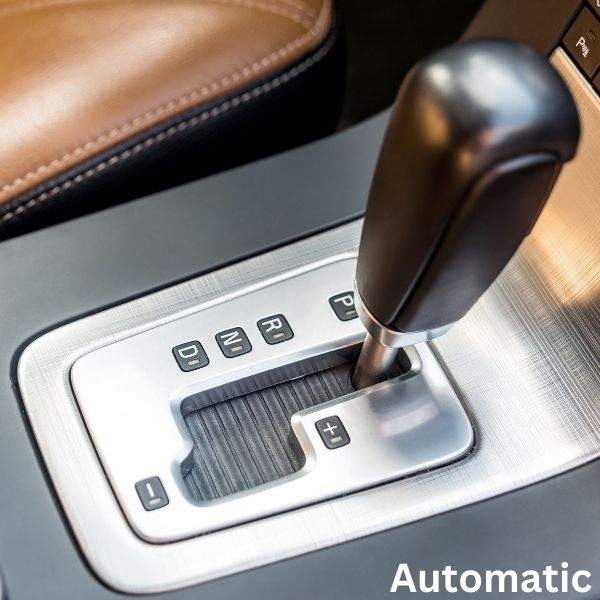
The Rise in Automatic Driving Tests
Over the past few years, the number of learners taking automatic driving tests in the UK has increased significantly. This isn’t a coincidence.
There are several reasons for this shift:
- More automatic and electric vehicles on the road
- Learners wanting a simpler learning experience
- Increased awareness that automatic driving can suit nervous or anxious drivers
- Adults returning to driving later in life, choosing automatic for confidence
As demand rises, so does the number of automatic tests being taken and that directly affects pass rate statistics.
Are Automatic Pass Rates Higher Than Manual?
Traditionally, automatic driving test pass rates have been higher than manual.
This is mainly because automatic cars remove some of the most challenging parts of driving, such as:
- Clutch control
- Gear changes
- Stalling
- Hill starts
With fewer things to manage, learners can focus more on:
- Observation
- Road positioning
- Decision-making
- Hazard awareness
However, as more learners choose automatic, especially those who previously struggled with manual cars, pass rates are naturally starting to balance out.
Why Automatic Pass Rates Are Changing
More Learners = Wider Ability Range
As automatic driving becomes more popular, it’s no longer just confident learners choosing it.
Many learners now switch to automatic after struggling with manual lessons or failing a manual test.
This means automatic tests now include a broader mix of abilities, which affects overall pass rates.
Automatic Cars Are Easier, But Tests Aren’t
While automatic cars remove gear-related stress, the driving test standard is exactly the same.
Examiners still expect:
- Safe observations
- Correct speed control
- Good judgement at junctions
- Confident decision-making
Some learners underestimate this and assume automatic means “easy pass”, which isn’t the case.
Increased Traffic and Busier Roads
Modern driving tests often take place in heavier traffic conditions than in years ago.
More vehicles, cyclists, pedestrians and road changes mean learners need stronger awareness, regardless of whether they’re driving manual or automatic.
Test Nerves Still Play a Big Role
Automatic cars don’t remove test nerves. Learners may still struggle with:
- Hesitation at junctions
- Over-caution
- Decision timing
- Pressure from other road users
These are common reasons for test faults in both manual and automatic tests.
Is Automatic Still a Good Choice?
Absolutely, automatic driving is a great option for many learners.
Automatic lessons are especially beneficial for:
- Nervous or anxious drivers
- Learners who struggle with clutch and gears
- Busy adults learning later in life
- Learners wanting to focus on road awareness rather than car mechanics
The key factor isn’t whether the car is manual or automatic; it’s whether the learner is properly prepared.
How to Improve Your Chances of Passing an Automatic Test
To increase your chance of passing the first time:
- Take regular, consistent lessons
- Don’t rush into booking your test
- Practise decision-making, not just manoeuvres
- Do mock tests under real test conditions
- Focus on confidence, not perfection
An experienced instructor will know when you’re genuinely test-ready, not just when you “feel ready”.
Automatic driving test pass rates are changing because driving habits, learner choices and road conditions are changing.
Automatic driving isn’t a shortcut, it’s simply a different route to the same standard of safe, independent driving.
With the right instruction, preparation and mindset, automatic learners can still achieve excellent pass results.
Thinking About Automatic Driving Lessons?
If you’re considering automatic driving lessons or want honest advice on which option suits you best, message us to book lessons or ask a question.
We’re happy to help you choose the right path for your driving journey.